DIY vs professional carpet cleaning which is right for your home
Staring at a stained living room carpet and wondering whether to rent a machine or call in the pros? You are not alone. The question of DIY vs professional carpet cleaning which is right for your home comes up for a reason: carpets are expensive, they trap dust and spills fast, and the wrong cleaning method can leave you with damp patches, residue, or even damaged fibres. Truth be told, the best choice depends on your carpet, your household, and how much time and effort you want to put in.
In this guide, we will break down what each approach really involves, where each one shines, where it falls short, and how to make a sensible call for your own home. No fluff. Just the practical stuff that helps you avoid a costly mistake.
Table of Contents
- Why DIY vs professional carpet cleaning which is right for your home Matters
- How DIY vs professional carpet cleaning which is right for your home Works
- Key Benefits and Practical Advantages
- Who This Is For and When It Makes Sense
- Step-by-Step Guidance
- Expert Tips for Better Results
- Common Mistakes to Avoid
- Tools, Resources and Recommendations
- Law, Compliance, Standards, or Best Practice
- Options, Methods, or Comparison Table
- Case Study or Real-World Example
- Practical Checklist
- Conclusion
- Frequently Asked Questions
Why DIY vs professional carpet cleaning which is right for your home Matters
Carpet cleaning sounds simple until you are knee-deep in water, scrubbing a stain that has already set, and realising the room still smells a bit musty the next day. That is why this decision matters. The wrong method can make a carpet look worse, not better. And in a family home, a rental property, or a busy flat with muddy shoes by the hallway, the stakes are higher than they look.
The key issue is not just cleanliness. It is also fibre care, drying time, stain removal, residue control, and long-term wear. A cheap machine or a rushed clean can leave detergent behind, which attracts dirt faster. Professional cleaning, on the other hand, can be overkill for a lightly soiled carpet that only needs a quick refresh. So the real question is not "which is better?" It is "which is right for this carpet, in this room, at this moment?"
That small shift in thinking helps a lot. A bedroom carpet with a couple of surface marks is a very different job from a hallway runner that has seen winter boots, pushchairs, and a dog or two. One size simply does not fit all. And let's face it, carpets are one of those home features people only think about when they are already annoyed by them.
How DIY vs professional carpet cleaning which is right for your home Works
At a basic level, both DIY and professional carpet cleaning aim to lift dirt, remove stains, and refresh the pile. The difference is in the tools, the water extraction, the chemical control, and the consistency of the finish.
How DIY carpet cleaning works
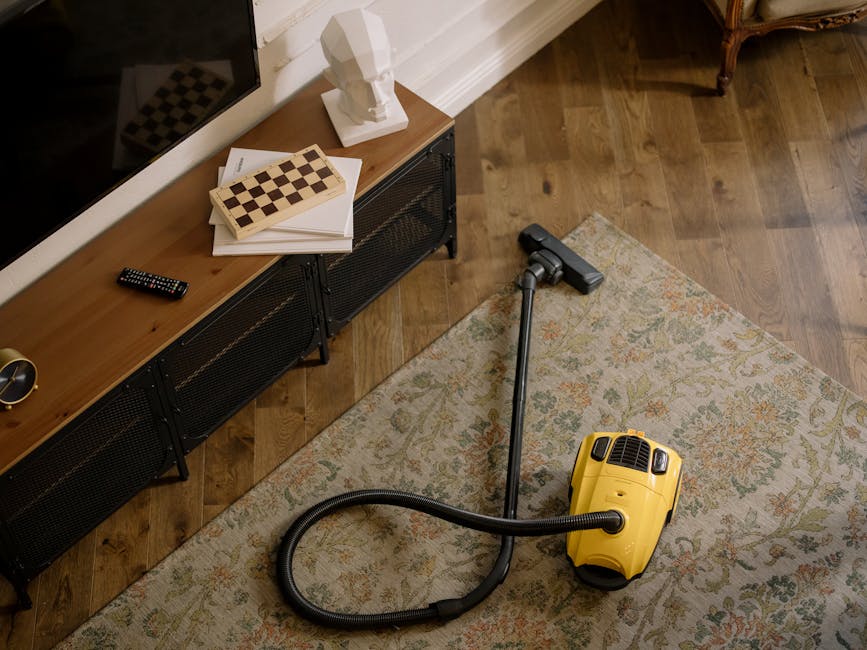
DIY carpet cleaning usually means renting a machine, using a portable spot cleaner, or applying spray-and-scrub products by hand. Most DIY methods rely on a combination of detergent, agitation, and extraction. You apply the cleaner, work it into the fibres, then remove as much moisture and soil as possible. That sounds straightforward, but in practice it depends heavily on technique.
If you use too much solution, the carpet can take ages to dry. If you use too little, the stain may just move around. If you scrub aggressively, some fibres flatten out or fuzz up. A decent result is possible, absolutely. But it is easy to get an uneven finish, especially on larger areas.
How professional carpet cleaning works
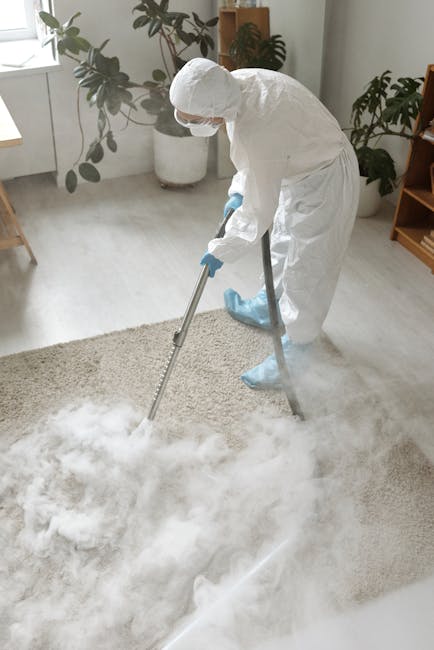
Professional carpet cleaning normally involves an inspection first, then a tailored approach based on fibre type, stain type, and soil level. A technician may pre-treat spots, agitate embedded dirt, and use hot water extraction or another suitable method. The big difference is the equipment power and the operator's ability to judge what the carpet actually needs.
Professionals also tend to think in stages: pre-vacuuming, stain spotting, deep cleaning, and drying advice. That matters because a carpet is not just a dirty surface. It is a textile with a backing, underlay, and likely years of wear patterns. A good cleaner respects that. A rushed cleaner, not so much.
What really separates the two
- Equipment strength: professional machines generally extract more moisture and soil.
- Product control: professionals choose chemistry more carefully for fibre and stain type.
- Skill: experience helps avoid over-wetting, browning, or residue.
- Convenience: DIY takes your time; professional cleaning saves yours.
- Risk: DIY is usually safer for a small trial area, but riskier on delicate carpets or stubborn stains.
Key Benefits and Practical Advantages
There is a fair argument for both sides, and that is why people keep comparing them. The best option depends on what you value most: control, cost, depth of clean, speed, or peace of mind.
Benefits of DIY carpet cleaning
- Lower upfront cost: useful when you only need a light refresh.
- Flexibility: you can clean a small spill the same day instead of waiting for an appointment.
- Convenience for spot cleaning: ideal for single marks, pet accidents, or tiny problem areas.
- Good for maintenance: regular vacuuming plus occasional DIY cleaning can help between professional visits.
Benefits of professional carpet cleaning
- Deeper soil removal: better for embedded dirt and high-traffic areas.
- Better stain assessment: useful when you are not sure what caused the mark.
- Improved drying and finish: less chance of lingering dampness or sticky residue.
- Time saved: no machine hire, no heavy lifting, no afternoon lost to the hallway smelling like shampoo.
- Suitable for more delicate situations: such as wool carpets, large homes, or end-of-tenancy cleans.
A useful way to think about it: DIY is often about maintenance and small wins. Professional cleaning is about restoration and consistency. Both have a place. The trick is knowing which one your carpet is quietly asking for.
Who This Is For and When It Makes Sense
If your home is relatively tidy, your carpet is in decent condition, and the issue is a small spill or a little flattening in one corner, DIY may be enough. It also makes sense if you enjoy being hands-on and you are comfortable reading product labels, testing an inconspicuous patch, and giving the carpet proper drying time.
Professional carpet cleaning makes more sense if any of these sound familiar:
- You have pets, children, or both, and the carpet gets hit often.
- The carpet has heavy traffic lanes, dull patches, or recurring odours.
- You are moving out or preparing a property for new tenants.
- The carpet is wool, antique, or otherwise sensitive.
- You have had repeated DIY attempts that did not fully work.
- There has been a spill from food, drink, mud, or something with a strong smell.
In London homes especially, where rooms can be compact and carpets pick up grime quickly from shared entrances or wet weather, professional cleaning is often the calmer choice for large areas. But if you are just dealing with a few marks in a spare room, paying for a full deep clean may feel unnecessary. No drama. Just match the job to the job.
Rhetorical question time: why spend extra money on a full-service clean if the problem is really a coffee ring near the sofa? On the other hand, why gamble with a delicate carpet if the stain has been there for weeks? That is the judgement call.
Step-by-Step Guidance
Here is a simple way to decide, then act, without overthinking it.
1. Identify the carpet type
Start by checking whether the carpet is synthetic, wool, a blend, or something more specialist. If you do not know, look for the manufacturer's care information or test a discreet corner. Wool, for instance, can react differently to strong chemicals and excess moisture.
2. Judge the level of soiling
Ask yourself whether this is surface dust, visible staining, or deep-down grime. A carpet can look "fine" but still hold a surprising amount of soil. If the fibres feel sticky or flattened, you are probably beyond simple spot cleaning.
3. Decide whether the issue is cosmetic or structural
A little surface dullness can be fixed with vacuuming and a light clean. Odour, recurring discolouration, or spreading marks are different. Those can suggest soil has reached deeper into the pile or backing.
4. Choose your method
- DIY spot clean: best for small, recent spills.
- DIY machine clean: better for a modest refresh of one or two rooms.
- Professional clean: best for larger areas, stubborn stains, or sensitive carpets.
5. Test before you clean fully
Whatever method you use, test a hidden patch first. That tiny step saves a lot of regret later. A few minutes of caution can spare a faded patch or an oddly bright rectangle in the middle of the room.
6. Work in manageable sections
Do not try to do the whole house in one heroic afternoon unless you enjoy stress and wet socks. Section-by-section cleaning gives better results and helps drying time. Open windows where possible, and keep foot traffic off the area until it is properly dry.
7. Finish with a vacuum once dry
Once the carpet is dry, vacuum again. This lifts the pile and removes any loosened debris. It is a small step, but it often makes the finish look much better. A carpet can feel a bit sleepy after cleaning; a final vacuum wakes it up.
Expert Tips for Better Results
If you want a cleaner carpet without making the job harder than it needs to be, these are the habits that usually pay off.
- Vacuum thoroughly before any wet cleaning. Wetting dry soil turns it into mud. Not ideal.
- Use less solution than you think. More product does not mean more clean.
- Blot, do not scrub, on fresh stains. Scrubbing can drive the stain deeper.
- Treat spots by type. Protein stains, grease, tannin, and mud often need different approaches.
- Control drying. Good airflow matters more than people think.
- Keep an eye on wicking. Sometimes stains reappear after drying because soil moves back to the surface.
Professionals know this well: the best clean is often the one that avoids the classic mistakes rather than the one that uses the most chemical. Also, if the carpet is in a hallway or by a radiator, check how fast it dries in that specific room. Warm air can help, but too much heat close to fibres can be a bit much.
A small but useful habit: keep a simple note of what worked on each room. If one cleaner handled a tea stain in the lounge and another product handled a pet mark in the spare room, write it down. Future-you will be grateful. Honestly, future-you is always grateful for small notes.
Common Mistakes to Avoid
Most disappointing carpet-cleaning results are not caused by the carpet. They are caused by avoidable errors.
- Using the wrong product on the wrong fibre. This can cause fading or texture changes.
- Over-wetting the carpet. It slows drying and can create odour problems.
- Skipping pre-vacuuming. Dirt turns into a gritty paste when mixed with water.
- Leaving detergent residue behind. Residue attracts more dirt, which means you clean again sooner.
- Ignoring the underlay and backing. Surface dry is not always fully dry underneath.
- Waiting too long to treat stains. Old stains are harder to shift, plain and simple.
- Assuming every carpet can handle the same method. It cannot.
One of the most common surprises is browning. That is when moisture and soil migration create a brownish cast after cleaning, often because the carpet was over-wet or dried unevenly. It is one of those annoying problems that sounds minor until it happens in the middle of your best room.
Tools, Resources and Recommendations
You do not need a warehouse of equipment to get decent results, but the right basics matter.
For DIY carpet cleaning
- A strong vacuum cleaner
- Microfibre cloths or absorbent towels
- A carpet cleaning machine or portable spot cleaner, if appropriate
- Gentle carpet-safe cleaning solution
- A soft brush for controlled agitation
- Fans or good ventilation for drying
For professional carpet cleaning
- A company that inspects carpet type before cleaning
- Clear explanations of the cleaning method being used
- Proper stain pre-treatment where needed
- Advice on drying time and aftercare
- Transparent pricing and service expectations
If you are comparing wider home cleaning needs, it can also help to think beyond the carpet. A lot of homes need deep cleaning in more than one area at once, especially after renovations, busy seasons, or a long stretch without a proper reset. For households juggling rugs, sofas, and hallway runners, rug cleaning and upholstery cleaning are often the next sensible steps too.
For people comparing services in a more general way, the site's pricing and quotes page can help you understand how costs are usually framed, while insurance and safety is useful if you want a clearer picture of the practical standards a professional company should follow.
Law, Compliance, Standards, or Best Practice
Carpet cleaning itself is not usually a heavily regulated home service in the way some trades are, but best practice still matters. A reputable cleaning company should work safely, use suitable products, and take reasonable care with your property. That includes protecting floors, checking for fibre sensitivity, and being clear about drying times and any limitations before starting.
In the UK, it is sensible to expect proper handling of chemicals, attention to ventilation, and safe equipment use. If you live in a rental property or are preparing one for handover, documentation can matter too. End-of-tenancy situations often need a higher standard of cleanliness, and the service should be matched to the tenancy agreement and inventory expectations rather than guesswork. A careful clean is better than a hurried one, every time.
For the company side, internal policies such as health and safety practices, payment and security, and the site's terms and conditions help set expectations around professionalism. That is not just paperwork. It is usually a good sign that the business has thought about the boring-but-important details. And boring, in this case, is reassuring.
Options, Methods, or Comparison Table
Here is a practical side-by-side comparison to make the decision a bit easier.
| Factor | DIY Carpet Cleaning | Professional Carpet Cleaning |
|---|---|---|
| Upfront cost | Usually lower | Usually higher |
| Cleaning depth | Good for light to moderate soil | Better for deep or stubborn soil |
| Drying time | Can be longer if over-wet | Often shorter with stronger extraction |
| Stain removal | Effective for fresh, small stains | Better for set-in or uncertain stains |
| Effort required | High | Low |
| Risk of damage | Higher if product choice is wrong | Lower when done by an experienced cleaner |
| Best for | Maintenance, spot cleaning, light refreshes | Whole rooms, heavy traffic, delicate carpets |
If your home is in a busy urban setting, or if you simply want the job done efficiently, the decision often leans toward professional support. That said, not every carpet needs the same treatment. Sometimes a smart DIY clean is enough, and that is perfectly fine.
Case Study or Real-World Example
Here is a realistic example based on a common household situation. A family in a two-bedroom flat had a hallway carpet that looked fine from a distance but felt dull underfoot and carried a faint, stale smell by the front door. They had a toddler, a dog, and the usual muddy-shoe problem after wet weather. Their first thought was to rent a machine and tackle it themselves.
After checking the carpet type and noticing the traffic lane was quite worn, they opted for a professional clean instead. The technician pre-treated the hallway, adjusted the method for the carpet fibre, and advised a longer drying window with windows slightly open. The result was not magic, because carpets are never magic. But the pile looked lifted, the smell had gone, and the room felt fresher in a way that a quick DIY pass probably would not have achieved.
Could they have done it themselves? Maybe. But in this case, the time saved and the more even finish made the professional route the better fit. That is the sort of decision this topic is really about.
Practical Checklist
Use this quick checklist before you choose DIY or professional cleaning.
- Have I identified the carpet fibre type?
- Is the stain fresh or has it already set?
- Am I cleaning a single spot or a whole room?
- Does the carpet have heavy traffic, pet odour, or deep soil?
- Do I have the right tools and enough drying time?
- Have I tested any cleaner on a hidden area first?
- Do I know whether the carpet is delicate, wool, or old?
- Would a mistake here be expensive or annoying to fix?
- Do I want the easiest path, or the cheapest one?
- Would a professional quote actually save me time and stress?
If you answer "yes" to several of the risk-related questions, professional cleaning is usually worth considering. If most answers point to light maintenance and a small area, DIY may be enough. Simple, really.
Conclusion
So, DIY vs professional carpet cleaning which is right for your home? The honest answer is that both have a place. DIY is a good fit for quick spot treatment, light refreshes, and households that want to stay on top of things without booking a service every time a spill happens. Professional cleaning is the stronger choice for deep soil, delicate carpets, high-traffic areas, and situations where a clean, even finish matters most.
If you want the shortest version: choose DIY for small, manageable jobs and professional cleaning when the carpet is valuable, heavily used, or simply beyond a quick fix. That balanced approach usually saves money, time, and a fair bit of frustration. And carpets do tend to reward a little patience.
Get a free quote today and see how much you can save.
Whatever you decide, the goal is the same: a fresher home, less hassle, and a carpet that feels good to walk on again. That is a small win, but a satisfying one.
Frequently Asked Questions
Is DIY carpet cleaning good enough for most homes?
It can be, especially if your carpets only need light maintenance or you are dealing with a fresh spill. The key is using the right product, not over-wetting the fibres, and allowing proper drying time. For heavily used rooms, DIY may be helpful between professional cleans rather than instead of them.
When should I choose professional carpet cleaning instead of DIY?
Choose a professional when the carpet has deep staining, strong odours, delicate fibres, or large traffic areas that need a more even result. It is also a sensible option if you are short on time or want the job done with less risk of residue or over-wetting.
Will professional carpet cleaning remove all stains?
Not always. Some stains are permanent, and some dyes or spills can leave lasting marks even after a good clean. A professional can usually improve appearance a great deal, but no honest cleaner should promise perfection on every stain.
How long does carpet take to dry after cleaning?
Drying time varies based on the cleaning method, ventilation, carpet thickness, and how much moisture was used. A light clean may dry fairly quickly, while a deep wet clean can take longer. Good airflow and sensible product use make a big difference.
Can DIY carpet cleaning damage my carpet?
Yes, if the wrong products are used or the carpet is over-wet, scrubbed too hard, or cleaned without testing first. Delicate carpets and older fibres are especially worth handling carefully. A small patch test is always a smart move.
Is professional carpet cleaning worth the money?
For many homes, yes. It is especially worthwhile when you want a deeper clean, better stain handling, or less risk of residue. If the carpet is in a low-traffic room and only lightly dirty, DIY may be enough. It depends on the job.
How often should carpets be professionally cleaned?
That depends on use, household size, pets, and foot traffic. Busy homes may need it more often than quiet ones. Rather than following a rigid rule, look at appearance, smell, and how the carpet feels underfoot.
What is the best DIY method for carpet cleaning?
For small areas, blotting fresh stains with the right carpet-safe cleaner and then using light extraction or absorbent towels is often the safest approach. For whole-room DIY cleaning, a machine can work well if you avoid over-application and dry the carpet properly.
Do professional cleaners use stronger chemicals?
Not necessarily stronger, but usually better matched to the carpet and soil type. The advantage is not just chemistry; it is also judgement, equipment power, and technique. A skilled cleaner should use the mildest effective method, not the harshest one.
Is carpet cleaning different for wool carpets?
Yes, wool carpets generally need more care than many synthetics. They can be more sensitive to moisture, heat, and product choice. If you have wool, it is worth being cautious and, in many cases, leaning toward professional cleaning.
Can I clean carpet myself before moving out of a rental?
You can, but whether that is enough depends on the tenancy agreement and the condition of the carpet. If the carpet has significant wear, staining, or odour, professional cleaning may help you meet the expected standard more reliably.
What should I ask a carpet cleaner before booking?
Ask what method they use, whether they inspect the carpet first, how long drying usually takes, and how they handle stubborn stains. It is also wise to ask about safety practices, pricing clarity, and any aftercare advice they recommend.