Insurance and Safety Commitment — Carpet Cleaning Sucks
Carpet Cleaning Sucks prioritizes safety and professional standards in every job. Our approach to risk management and client protection is comprehensive: we maintain full public liability insurance, deliver rigorous staff training, enforce proper personal protective equipment (PPE) usage, and follow a documented risk assessment process. This page explains how Carpet Cleaning Sucks and carpet-cleaning professionals we employ protect properties, people, and the environment.Public liability insurance is a cornerstone of our service model. We carry industry-standard public liability cover that protects both our clients and our teams in case of accidental damage or injury during cleaning operations. This policy covers third-party bodily injury and property damage arising from our cleaning activities, whether we are working in residential flats, commercial offices, or communal spaces. Having proper insurance ensures claims are handled professionally and clients are not left exposed to unexpected costs.
 Our public liability cover is complemented by internal procedures designed to reduce risk. We require that every job is planned with insurance considerations in mind, documenting the scope of work, special hazards, and any client requirements up front. The combination of insurance and disciplined job planning reduces incidents and speeds the resolution of any claim. At carpet cleaning sucks, we view insurance not as a fallback but as part of an integrated safety system that supports good operational practice.
Staff Training and Competence
Staff training for Carpet Cleaning Sucks is structured, ongoing, and practical. New employees undergo an induction covering equipment operation, chemical handling, manual handling, and client interaction. Training blends classroom theory with hands-on sessions under supervision. We emphasize competence in both common carpet cleaning techniques and in special-case scenarios such as delicate textiles, high-traffic commercial carpets, and water damage recovery. Competence reduces mistakes and contributes to safer, more efficient work.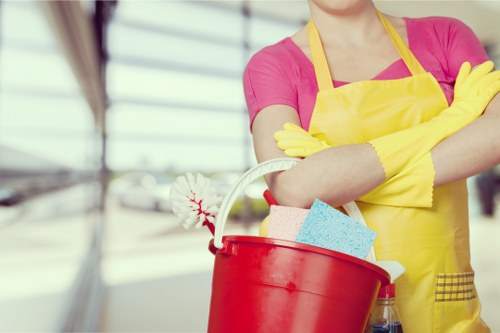 Beyond induction, our learning program includes periodic refresher courses, competency checks, and updates whenever new equipment or substances are introduced. We keep training records for each staff member, documenting dates, topics covered, and observed performance. This record-keeping supports quality control and provides verifiable proof of training should a client or regulator request evidence. Our training also covers customer safety awareness: staff are taught to cordon off wet floors, display warning signs, and communicate potential hazards directly.
Key topics covered in our training syllabus include:
- Chemical safety and COSHH basics — correct dilution, mixing, storage, and spill response
- Equipment operation and maintenance — safe use of extractors, rotary machines, and generators
- Manual handling — lifting technique and team lifts for heavy items
- Client interaction and site protection — protecting fixtures, flooring, and informing occupants
- Emergency procedures — first aid basics and fire safety
PPE and Safe Working Practices
The correct use of PPE is non-negotiable at Carpet Cleaning Sucks. Our crews are supplied with protective gloves, waterproof aprons, eye protection, and appropriate footwear for wet environments. When handling concentrated cleaning agents or performing deep-extraction drying tasks, technicians wear respirators or masks as required. PPE protects both staff and clients and is part of the pre-job checklist every technician completes before entering a site.
![A person wearing blue rubber gloves is cleaning a large glass window in a professional setting, possibly within a commercial or residential property in the UK, as indicated by the domain carpetcleaningsucks.co.uk. The individual is holding a spray bottle of cleaning solution and is using a yellow sponge or scrubber to wipe the glass surface, which is covered in soapy water and foam. The window has a white frame and appears to be a sliding door or large window panel. The background shows some natural light filtering through, suggesting a bright, well-lit environment. This scene illustrates typical cleaning activity, emphasizing the importance of detailed glass cleaning to maintain clarity and cleanliness in UK properties, consistent with professional standards offered by services like those from Carpet Cleaning Sucks, especially relevant to areas such as [POSTCODE] and [TOWN]. The focus on the cleaning action and equipment highlights the importance of proper tools and techniques for effective window maintenance in both residential and commercial spaces.](/pub/_photos/cleaning/f1300578304.jpg)
Risk Assessment and Job Planning Process
Our risk assessment process is systematic and repeatable. Each assignment receives a documented on-site risk assessment before any work starts. The process includes identifying hazards, evaluating who might be harmed and how, defining control measures, and recording residual risk. Control measures range from administrative controls (timing work outside peak occupancy, using signage) to engineering controls (cordoning off areas, using extraction units to reduce airborne particulates) and PPE. We adopt the hierarchy of controls to reduce reliance on PPE alone.![The image depicts two individuals in a modern kitchen, both wearing yellow rubber cleaning gloves. One person is giving a thumbs-up gesture, while the other shows a similar positive gesture, indicating satisfaction or success in cleaning. A blue spray bottle filled with cleaning solution is placed on a white kitchen countertop in front of them. The background features white cabinetry, a stainless steel oven, a sink, and various kitchen items such as a yellow sponge, a pumpkin, and some utensils. The kitchen surfaces appear clean and well-maintained, with a bright and well-lit atmosphere from natural or overhead lighting. The scene suggests a professional or thorough approach to cleaning, aligned with services offered by Carpet Cleaning Sucks in the [POSTCODE] area of [TOWN], supporting the theme of effective and reliable cleaning within a domestic setting.](/pub/_photos/cleaning/f1294252936.jpg) A typical risk assessment workflow for carpet services includes these steps:
A typical risk assessment workflow for carpet services includes these steps:
- Pre-visit information gathering — site notes, photos, and client disclosures
- On-site hazard identification — slips, trip hazards, electrical risks, fragile items
- Assessment and mitigation — selecting control measures and assigning responsibilities
- Documentation — filling a job-specific safety sheet and confirming client acknowledgement
- Post-job review — recording incidents, learning points, and updating protocols
We also factor environmental considerations into risk assessments: safe disposal of wastewater, minimizing chemical runoff, and using biodegradable products where possible. This environmental risk awareness is part of our wider safety culture at CarpetCleaningSucks and shows that responsible cleaning is both people- and planet-focused.
In summary, Carpet Cleaning Sucks combines robust public liability insurance, comprehensive staff training, disciplined PPE use, and a formal risk assessment process to deliver safe, reliable carpet cleaning services. Our systems are designed to prevent incidents, protect clients and staff, and ensure a consistent, professional approach on every job. We believe that maintaining high safety standards is essential to delivering quality work — and that is why carpet cleaning sucks is committed to continuous improvement in insurance, training, PPE, and risk management.