Step by step upholstery cleaning safe methods used by pros
Upholstery looks simple until you spill coffee on a pale sofa, or notice that faint grey build-up on the arms after a long winter of indoor living. Then suddenly the question is not just how to clean it, but how to clean it safely. That is where the step by step upholstery cleaning safe methods used by pros really matter. The right approach protects the fabric, avoids water marks, lifts grime properly, and keeps the filling underneath from staying damp for days. Let's face it, a rushed scrub can do more harm than the original stain.
This guide walks you through how professionals think about upholstered furniture: the checks they make first, the cleaning methods they choose, the mistakes they avoid, and the little practical details that make the difference between "clean enough" and properly refreshed.
Table of Contents
- Why safe upholstery cleaning matters
- How pro upholstery cleaning works
- Key benefits and practical advantages
- Who this is for and when it makes sense
- Step-by-step guidance
- Expert tips for better results
- Common mistakes to avoid
- Tools, resources and recommendations
- Law, compliance, standards, or best practice
- Options, methods, or comparison table
- Case study or real-world example
- Practical checklist
- Conclusion
- Frequently asked questions
Why Step by step upholstery cleaning safe methods used by pros Matters
Upholstery is not like a hard floor. Fabric absorbs liquid, holds dust deep in the weave, and can hide body oils, pet dander, crumbs, pollen, and the usual everyday mess. A safe method matters because the wrong product or too much moisture can leave rings, shrinkage, colour loss, or even a lingering damp smell. Once that happens, the fix is rarely simple.
Professionals do not start with the strongest cleaner they can find. They start by identifying the fabric, the stain type, and the safest cleaning route. That cautious first step is what protects everything else. If you have ever seen a sofa come out patchy after an over-wet DIY attempt, you will know exactly why this approach exists.
The other reason it matters is longevity. A proper clean can help upholstered furniture last longer, keep a room smelling fresher, and make day-to-day maintenance much easier. In homes with children, pets, or frequent visitors, that can be a relief, not just a nice-to-have.
How Step by step upholstery cleaning safe methods used by pros Works
Pro cleaning works by matching the method to the material. That sounds obvious, but it is the bit most people skip. The fabric may be natural, synthetic, blended, or delicate, and each one reacts differently to water, agitation, detergents, and heat. A safe clean is usually built from four stages: inspection, testing, controlled cleaning, and careful drying.
Professionals also think in layers. The visible stain is only part of the story. Beneath it there may be embedded soil, dust in the seams, or moisture trapped in the padding. That is why the process is usually slower than people expect. Good upholstery cleaning is not about flooding the fabric and hoping for the best. It is more like controlled lifting, blotting, and extracting.
There is also a timing element. Fresh spills are easier to remove than set-in marks, but older marks often need a gentler multi-pass treatment. If you rush, you can spread the stain further. If you overwork the area, you can roughen the pile or leave the texture looking dull. A careful pace tends to win. Not glamorous, but true.
Key Benefits and Practical Advantages
Safe professional upholstery cleaning gives you a lot more than a cleaner-looking sofa. The benefits are practical, visible, and often immediate.
- Protects fabric integrity: Correct methods reduce the risk of shrinkage, colour bleed, and fibre damage.
- Improves appearance: Gentle soil removal helps fabrics look brighter and more even.
- Reduces odours: Food spills, pet smells, and general stale odours can be reduced when the source is properly treated.
- Supports a healthier indoor environment: Removing dust and debris can make rooms feel fresher, especially in busy households.
- Helps furniture last longer: Dirt acts a bit like sandpaper over time, especially on frequently used arms and seat cushions.
- Can save money: Preventing fabric damage is usually cheaper than replacing covers or furniture.
There is another advantage people often overlook: peace of mind. When a cleaner knows what they are doing, you do not have to stand there wondering whether that armchair is about to turn into a tide mark disaster. That is worth a lot, honestly.
Who This Is For and When It Makes Sense
This approach makes sense for homeowners, tenants, landlords, letting agents, office managers, and anyone looking after fabric furniture that needs a careful clean rather than a quick wipe-down. It is especially useful if the upholstery is expensive, lightly coloured, vintage, or made from a fabric you are not sure about.
It is also a sensible choice after:
- a pet accident or food spill
- smoke exposure or lingering odours
- routine deep cleaning before guests, tenants, or a property inspection
- move-out cleaning where upholstery needs to look respectable, not perfect museum-piece perfect, just clean and presentable
- seasonal refreshes when dust and everyday use have built up
If you are dealing with a sofa, dining chairs, office seating, or a favourite armchair in a London flat where space is tight and drying time matters, the safe method becomes even more important. You do not want a couch that stays damp all evening because the wrong amount of moisture was used. Nobody enjoys that smell the next morning. Nobody.
Step-by-Step Guidance
Below is the practical process professionals tend to follow. The exact tools and chemistry may vary, but the logic is broadly the same.
1. Identify the fabric and care code
Before anything else, check the manufacturer's label if it is available. Many upholstered items carry care codes that guide the cleaning method. In plain English, these usually indicate whether the item can handle water-based cleaning, solvent-based cleaning, or only very light maintenance. If the label is missing, professionals test cautiously rather than guessing.
This step matters because one fabric may tolerate a damp clean while another may distort, bleed, or lose its finish. Velvet, silk blends, some natural fibres, and older pieces can be particularly unforgiving.
2. Vacuum thoroughly
A safe clean always starts with dry soil removal. Vacuum the entire piece, including seams, piping, creases, under cushions, and the back. Use an upholstery attachment if possible. This removes loose dust, hair, grit, biscuit crumbs, and other debris that would otherwise turn into muddy residue once moisture is introduced.
It sounds basic. It is basic. But it is also one of the most important steps. Skipping vacuuming is like mopping a kitchen floor without sweeping first. You know how that ends.
3. Test the cleaning product in a hidden area
Always patch test in a concealed spot, such as the lower back panel or under a cushion flap. Apply a small amount of the chosen cleaner and check for colour transfer, textural change, or fibre distortion after it has dried. If the test area reacts badly, stop and use a different method.
Pros take this seriously because some damage only appears after the fabric dries. A product can look harmless for ten minutes and then suddenly leave a watermark or dull patch. Patience here saves headaches later.
4. Pre-treat stains carefully
Stains should be treated according to what caused them. Grease, drink spills, food, body oils, and pet stains each behave differently. Use the least aggressive treatment that can reasonably do the job. Blot, do not rub. Rubbing pushes the stain deeper and can fuzz the pile.
For older stains, professionals often apply a small amount of pre-treatment and allow it to dwell briefly. The aim is to loosen the soil, not soak the fabric. Less is more. Really.
5. Choose the right cleaning method
Not all upholstery should be cleaned the same way. Some fabrics respond well to low-moisture extraction, while others need dry foam or solvent cleaning. The method should be chosen around the fabric, the soil level, and the risk of over-wetting.
Here is a simple comparison of common methods.
Options, Methods, or Comparison Table
| Method | Best for | Pros | Watch-outs |
|---|---|---|---|
| Low-moisture extraction | Durable synthetic upholstery and routine deep cleaning | Good soil removal, controlled drying, widely used by pros | Can still over-wet if used carelessly |
| Dry foam cleaning | More delicate fabrics or situations needing reduced moisture | Lower drying risk, gentler on some materials | May not remove heavy soiling as deeply |
| Solvent cleaning | Fabrics with oil-based marks or care codes that restrict water | Useful where water is risky | Needs care, ventilation, and correct product choice |
| Light hand cleaning | Spot cleaning, seams, and delicate sections | Very controlled and targeted | Labour-intensive; not ideal for full deep cleans |
6. Apply the cleaner sparingly and evenly
Professionals work in small sections. They apply solution lightly, agitate gently with a soft brush or cloth if suitable, and avoid flooding the fabric. The aim is even coverage, not a wet sofa that sounds squelchy when you press it. That would be... not ideal.
Even application prevents patchiness. It also gives you a better chance of extracting dirt evenly, which matters for appearance once the item dries.
7. Extract or blot away the loosened soil
If using an extraction method, remove the loosened dirt and cleaning solution in a controlled way. If using a low-moisture or hand-cleaning method, blot with clean towels and repeat as needed. Professionals often work from the outside of a stain toward the centre to avoid spreading it.
The key is restraint. Too much pressure can force moisture deeper into the cushion, where it lingers longer and may create odour or browning.
8. Rinse only if the method requires it
Some cleaning systems call for a light rinse pass to remove residues. Others do not. The idea is to avoid leaving sticky cleaner behind, which can attract fresh dirt quickly. But again, rinsing should be controlled. More water is not automatically better.
9. Speed up drying safely
Promote airflow with open windows where practical, gentle fans, or a well-ventilated room. Avoid direct heat unless the fabric and method specifically allow it. Do not sit on the furniture too soon. The surface may feel nearly dry while the padding underneath still holds moisture.
On a damp British afternoon, this step can take a bit longer than you would like. That is normal. Give it time.
10. Finish with a final inspection and grooming
Once dry, check for remaining marks, stiffness, pile distortion, or tide lines. Some fabrics benefit from a soft grooming brush to restore the nap. Reposition cushions and make sure the piece sits naturally again. A final inspection catches the small things before they become the thing you stare at every time you walk past the sofa.
Expert Tips for Better Results
Here are the small things that separate a careful clean from a messy one.
- Work from light to heavy soil: Start gently and only increase treatment if needed.
- Use white cloths for blotting: Coloured cloths can transfer dye, especially on light upholstery.
- Keep product use modest: A small, well-targeted amount usually works better than a generous spray.
- Ventilate the room: Fresh airflow helps drying and reduces musty smells.
- Remove cushions where possible: This lets you clean hidden edges and prevents moisture trapping.
- Watch the seams: They collect dirt and can hold more moisture than the flat surfaces.
- Be cautious with mixed materials: A chair with fabric panels, buttons, and wooden trim may need different handling in each area.
One practical habit professionals use is to pause before treating a stain and ask a simple question: "What would damage this fabric more - the stain, or the cleaning attempt?" That mindset helps keep things sensible. It slows you down just enough.
Common Mistakes to Avoid
Most upholstery damage happens through overconfidence, not malice. A few common mistakes are worth calling out plainly.
- Skipping the fabric check: Different fabrics need different methods. Guessing can backfire fast.
- Soaking the upholstery: Too much water can lead to odour, slow drying, or visible water marks.
- Scrubbing hard: This can distort fibres, spread stains, and leave a rough patch.
- Using the wrong chemical: Strong cleaners can strip dye or damage finishes.
- Ignoring the filling underneath: Surface cleaning alone does not solve trapped moisture.
- Drying too quickly with intense heat: Heat can shrink or damage some materials.
- Cleaning without testing: It only takes one small hidden patch to reveal a reaction.
To be fair, these mistakes are understandable. Upholstery looks like something you should be able to "just clean." But fabric is fussy. It has opinions.
Tools, Resources and Recommendations
You do not need a warehouse of gear, but the right tools help a lot. For safe upholstery cleaning, professionals commonly rely on a modest, sensible kit.
- Vacuum with upholstery attachment
- Soft brush or grooming brush
- Microfibre cloths
- White absorbent towels
- Small spray bottle for controlled application
- Appropriate upholstery cleaner matched to the fabric type
- Fan or airflow support for drying
- Protective gloves where product handling requires it
It also helps to keep the furniture's care label, any purchase documentation, or fabric details somewhere easy to find. If you cannot find them, take a photo of the fabric and note the construction before cleaning. That tiny bit of prep can save a lot of second-guessing.
If you are comparing service options, relevant information on upholstery cleaning and deep cleaning can help set expectations for what a more thorough professional visit may involve. For broader home care, some people also combine upholstery work with domestic cleaning or a periodic one-off cleaning visit when the whole property needs attention.
Law, Compliance, Standards, or Best Practice
For most readers, the main concern is not legal compliance in the strict sense, but safe working practice. That said, professional cleaners should still handle products responsibly, follow manufacturer instructions, use appropriate PPE where needed, and avoid unsafe over-wetting or poor ventilation. In UK homes and workplaces, good practice also means not creating slip hazards, odour problems, or lingering dampness through careless cleaning.
If the cleaning is being done in a rented property, office, or managed building, it is sensible to think about the wider duty of care: keep walkways safe, protect surrounding surfaces, and communicate drying times clearly. In commercial settings, a simple "please do not use until dry" note can prevent a lot of awkwardness. It sounds small, but it matters.
Professional providers should also have sensible policies around health and safety, insurance and safety, and clear customer information such as pricing and quotes. If something goes wrong, having transparent procedures is a sign of a properly run operation, not just a polished website.
Case Study or Real-World Example
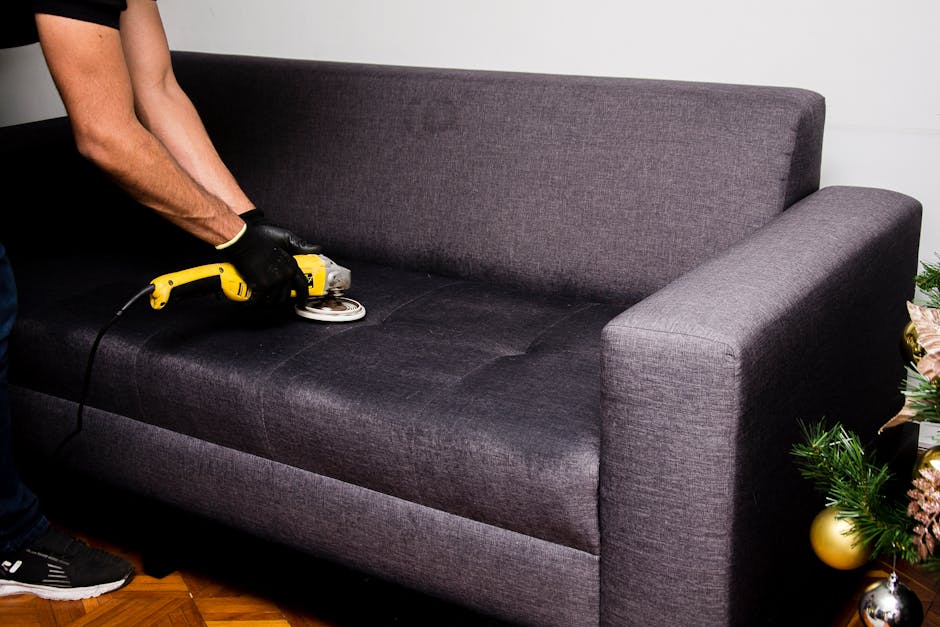
Picture a typical London living room after a busy week: a cream two-seater sofa, a few pet hairs tucked into the seams, a faint tea splash on one cushion, and a general dullness along the arms where hands rest most often. Nothing dramatic. Just everyday life doing what everyday life does.
A professional would usually begin with vacuuming, then inspect the fabric and test a hidden area. The tea spot might be lightly pre-treated, the arms cleaned with a controlled low-moisture method, and the cushion surfaces worked in small sections to avoid patching. If the fabric showed any sensitivity to water, the cleaner might switch to a drier method instead of forcing the issue.
Afterwards, the sofa would be left to dry with airflow, cushions separated where possible, and the client advised not to sit on it until it felt fully dry through the padding. The result is usually not a dramatic "brand new" transformation, but a noticeably fresher, more even finish with less odour and fewer visible marks. That is often exactly what people want. Clean, safe, sensible.
Practical Checklist
Use this before you clean, especially if you are doing it yourself.
- Check the care label or fabric details.
- Vacuum the whole piece thoroughly.
- Identify the stain type before choosing a product.
- Test the cleaner in a hidden area.
- Work in small sections.
- Use the least moisture needed to get the job done.
- Blot rather than rub.
- Allow proper drying time with airflow.
- Inspect the fabric after drying for tide marks or stiffness.
- Stop if the fabric reacts badly and rethink the method.
Expert summary: the safest upholstery clean is rarely the strongest one. It is the one matched to the fabric, tested first, applied lightly, and dried properly. Simple, but not always easy in the moment.
If you want a more tailored approach, it helps to speak with a professional who understands fabric types, stain behaviour, and safe drying methods. For many households, that is the difference between a quick fix and a genuinely good clean.
Get a free quote today and see how much you can save.
Conclusion
Step by step upholstery cleaning safe methods used by pros are all about control, not force. Identify the fabric, test first, clean gently, extract carefully, and dry properly. That process protects your furniture while giving you the best chance of lifting stains and restoring a fresher look. The real skill is knowing when to stop pushing and let the method do the work.
If you remember one thing, make it this: upholstery rewards patience. A careful clean almost always beats a rushed one, and the difference is easy to notice when the sofa dries and looks evenly fresh again. Nice, quiet, done properly.
Frequently Asked Questions
What is the safest way to clean upholstery at home?
The safest home method is usually to vacuum first, test a cleaner in a hidden spot, apply only a small amount, and blot rather than scrub. If the fabric is delicate or the care label is unclear, it is better to stop and choose a gentler approach.
How do professionals clean upholstery without damaging it?
Professionals start by checking the fabric type, using a patch test, choosing the right cleaning method, and controlling moisture very carefully. They also focus on drying, because leaving fabric damp for too long can cause odours and tide marks.
Can I use a steam cleaner on my sofa?
Not always. Some upholstery can handle moisture-based cleaning, but others cannot. Steam can be too aggressive for delicate materials or fabrics with sensitive dyes. Always check the care instructions first and test before committing.
How long does upholstery take to dry after cleaning?
Drying time depends on the fabric, the amount of moisture used, ventilation, and room temperature. Lightly cleaned items may dry relatively quickly, while deeper cleaning can take several hours or longer. It is best to avoid using the furniture until it is fully dry through the padding.
What stains are hardest to remove from upholstery?
Oil-based stains, pet accidents, old food spills, and some dyed drinks can be stubborn. The age of the stain matters too. Fresh marks are usually easier to treat than ones that have set into the fibres.
Is dry cleaning better than wet cleaning for upholstery?
Neither is always better. Dry cleaning can be safer for moisture-sensitive fabrics, while wet or low-moisture extraction can be more effective on durable upholstery with heavier soiling. The right choice depends on the fabric and the stain.
How often should upholstery be professionally cleaned?
That depends on use. A busy family sofa, office seating, or furniture in a home with pets may need more frequent attention than a rarely used chair. Many people use professional cleaning as part of periodic deep maintenance rather than waiting for visible dirt to build up.
Can upholstery cleaning remove smells as well as stains?
Often yes, especially if the odour comes from trapped soil, spills, or general build-up. But if a smell has soaked deep into the padding or come from a more serious source, the cleaning approach may need to be adjusted.
What should I do if the fabric changes colour after testing?
Stop immediately. A colour change during testing usually means the fabric is not compatible with that cleaner or method. At that point, it is safer to switch to a different approach or ask a professional to assess it.
Are natural fabrics harder to clean than synthetic ones?
Often, yes. Natural fibres can be more sensitive to water, heat, and pH changes. Synthetic fabrics are usually more forgiving, but they still need careful treatment to avoid distortion or residue build-up.
What is the biggest mistake people make with sofa cleaning?
Over-wetting is probably the most common mistake. People assume more cleaner or more water will improve results, but in upholstery that often leads to slow drying, water marks, and trapped odours. Small amounts, used well, usually work better.
Do I need a professional for one stained cushion?
Not always. A small, fresh stain on a durable fabric may be manageable at home with the right product and a careful approach. If the cushion is expensive, delicate, or already showing wear, a professional assessment is the safer choice.